SPECIALIST PROGRAM 03 | THE MUSCLE
Edge AI & Applied
Robotics
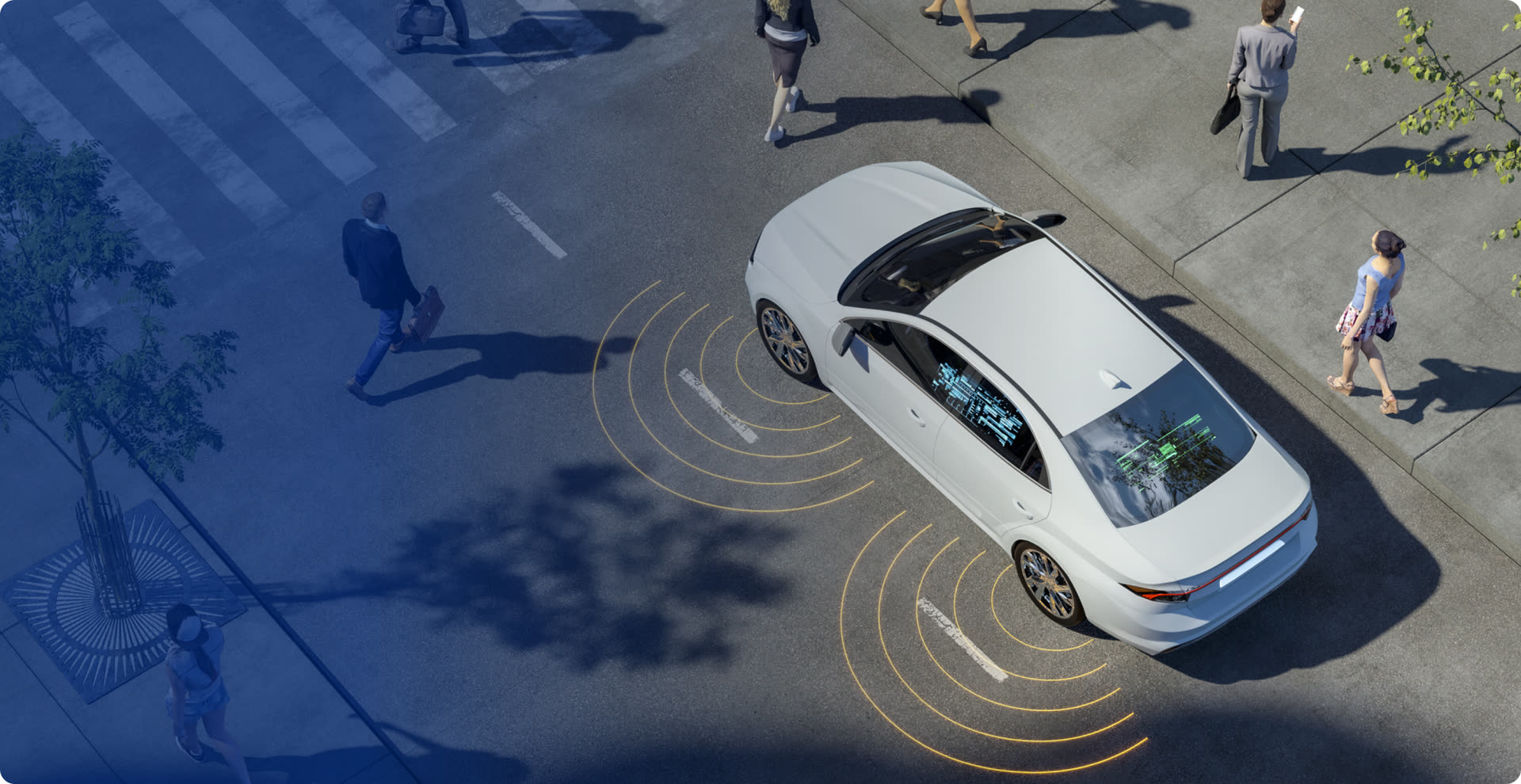
Bring intelligence into devices, vision systems and the physical world.
This pathway is designed for learners who want to work where AI meets cameras, sensors, embedded constraints, machines and real-world action.

PROGRAM PURPOSE
Why It Matters
Many AI systems must operate close to the source of data and action, where latency, connectivity, compute, energy, safety and physical uncertainty matter. The program focuses on engineering intelligence for those conditions.

Planned Competency Areas
Perception and Sensors
Understand how cameras, sensors and real-world signals become machine-usable inputs.
Computer Vision Foundations
Develop systems that interpret relevant visual information under defined conditions.
Edge Constraints
Design around latency, bandwidth, compute, energy and connectivity limits.
Model and System Optimization
Balance capability, speed, reliability and resource use.
Hardware-Software Integration
Connect models, devices, interfaces and operational logic.
Applied Robotics and Safety
Structure controlled actions, exception handling and human oversight in physical workflows.
Expected Evidence

Applied Prototype
A working edge, vision or robotic workflow developed through guided and independent engineering.
Constraint Analysis
Evidence of how latency, compute, connectivity or safety influenced the design.
Test and Failure Record
Documented behaviour across expected and difficult conditions.
Technical Explanation
A teach-back and faculty-reviewed explanation of integration choices, limitations and controls.


WITT Relevance
Employer Input
Participating employers may contribute approved use cases, device environments, vision challenges, safety requirements and role expectations.
Academic Review
All input remains subject to academic, safety, confidentiality, fairness and intellectual-property review.
Candidate Access
Eligible graduates may be considered for relevant WITT opportunities based on competency evidence, interest, geography and employer criteria.